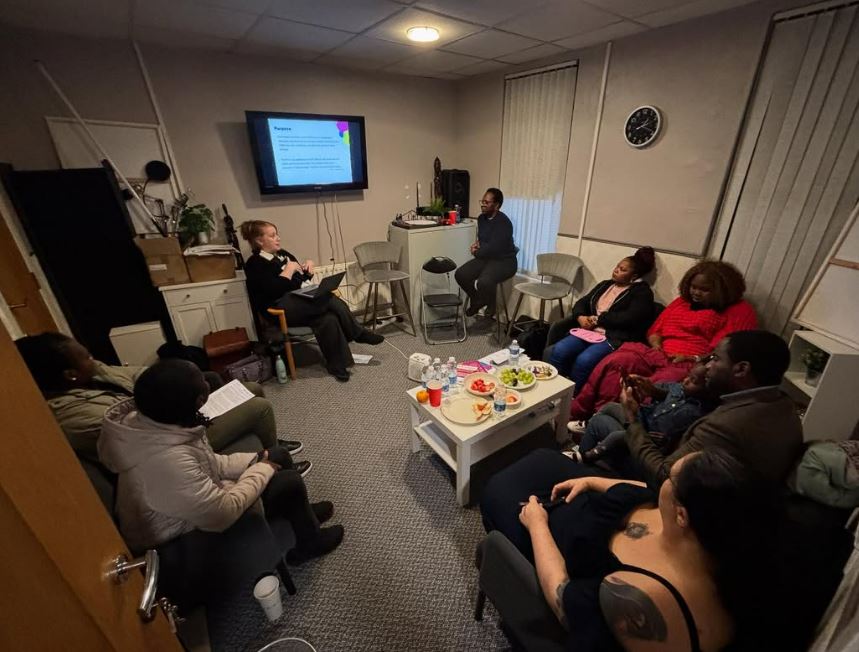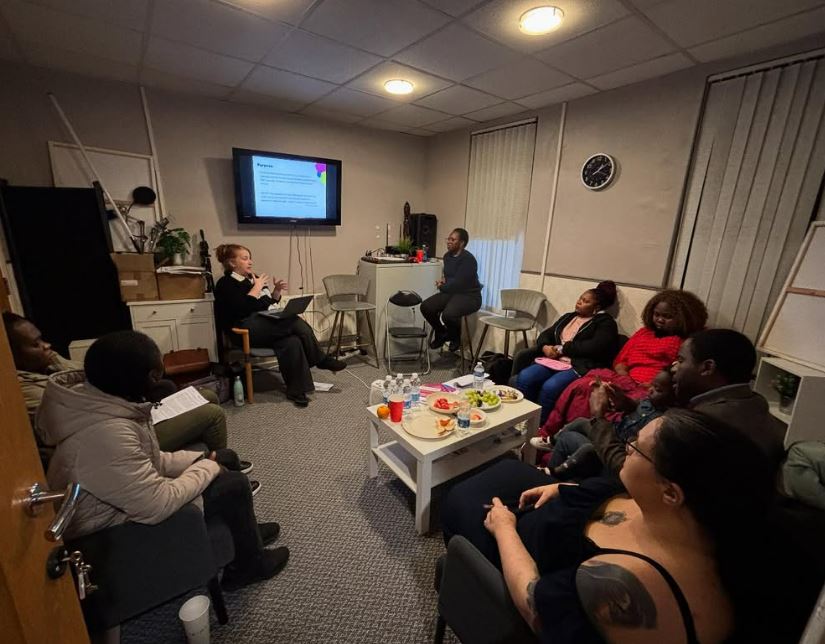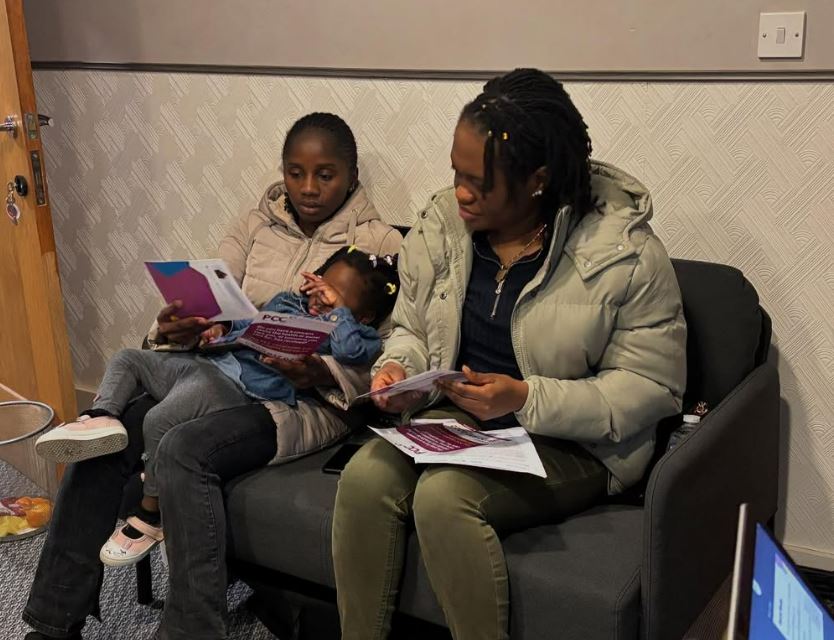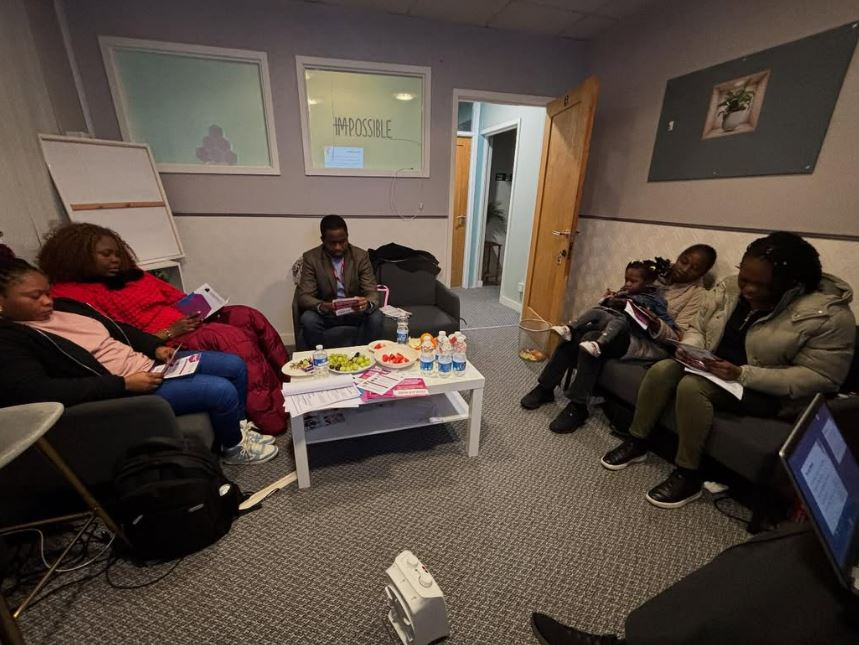
One of the project’s key principles was ensuring the voices of the BAME community shaped every aspect of our work. We began by conducting a comprehensive needs assessment using surveys and focus groups to directly listen to the concerns of the community. This allowed us to prioritise input from community leaders, health workers, and residents to ensure culturally relevant and sensitive interventions. By creating a space where community members felt heard, we built trust and fostered collective ownership of the health initiatives. This approach not only designed more effective programs but also contributed to a shared sense of responsibility among participants.
Capacity Building: Empowering Local Leaders
A crucial element of the Elevate project was building local capacity. We conducted a series of training workshops for community leaders and health workers to enhance their skills in understanding health inequalities, cultural competence, effective communication, and health promotion strategies. These workshops empowered local influencers to champion health equity, educate others, and reduce health disparities within their communities.
Sustainability was at the project’s core. To ensure long-term benefits, we created educational materials—pamphlets, brochures, and online resources—focused on common health issues such as diabetes, hypertension, and mental health. These materials were culturally relevant and accessible, making it easier for the community to act on the information. A social media campaign kept the community engaged with timely updates and ongoing support, bridging the gap between the community and health resources.
We continuously monitored and evaluated the project’s effectiveness using feedback from participants and data on health outcomes. This iterative process allowed us to adjust our interventions in real-time, ensuring the project remained responsive to the community’s evolving needs.
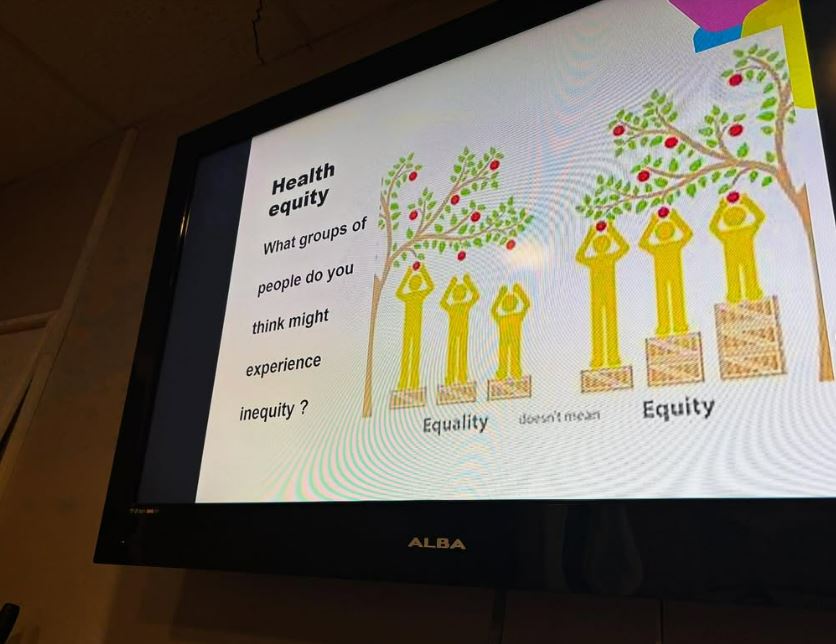
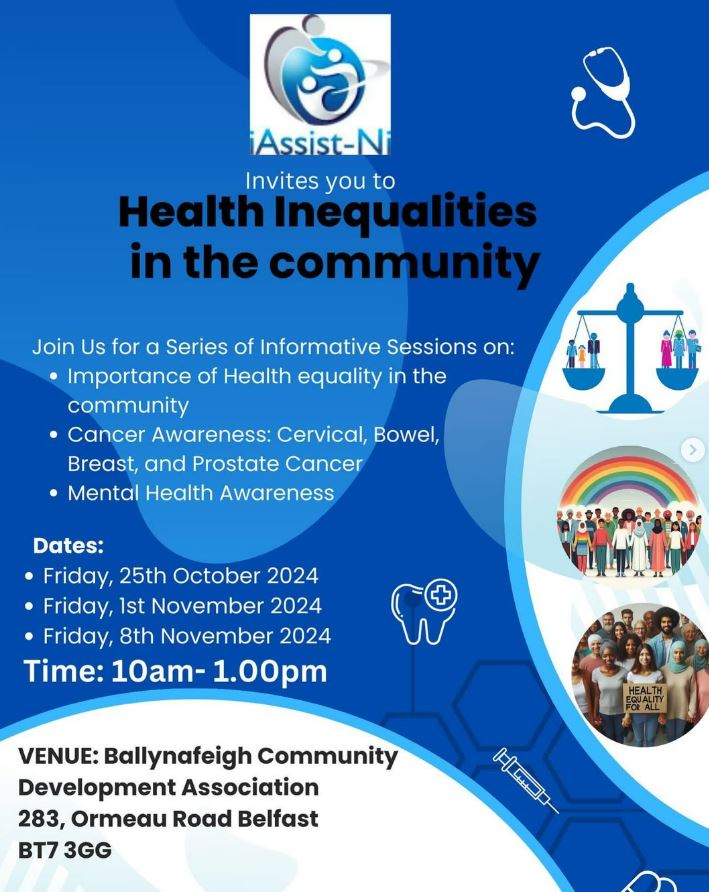
A central goal of the Elevate project was to tackle significant health disparities in the BAME community. These disparities are often linked to social determinants such as limited healthcare access, lower socioeconomic status, and educational inequalities. We focused on chronic diseases like diabetes, hypertension, and cardiovascular conditions, which are more prevalent in BAME communities, as well as addressing the intersection of poverty, mental health, and housing. Through workshops, health fairs, and group discussions, we empowered the community to manage these conditions while raising awareness of the underlying factors contributing to health inequalities.
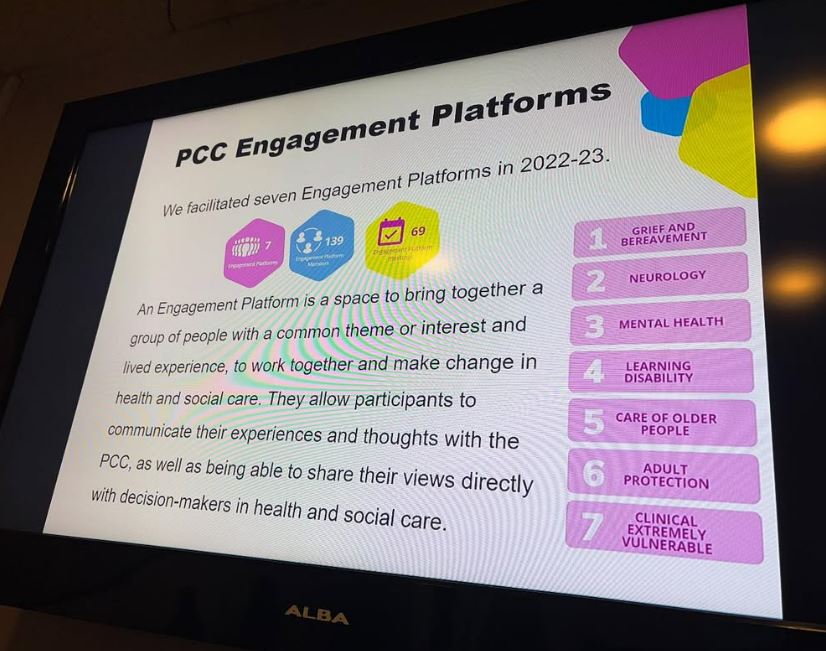
The project targeted a broad spectrum of individuals, including women, older adults, individuals with learning disabilities, and those with chronic diseases. We addressed the specific health challenges faced by these groups and ensured that participants received tailored support. Notably, younger community members also became significantly involved, bringing fresh perspectives and enthusiasm to the project. Participants formed peer support networks, which provided not only emotional support but also practical help in managing their health.
Unforeseen Benefits: Mental Health and Youth Engagement
While the primary goal was to address chronic diseases, unexpected benefits emerged, such as increased focus on mental health. As health discussions progressed, mental health became a key topic, leading to the creation of workshops and support groups focused on mental well-being. Another unexpected outcome was the active involvement of younger community members. Their energy brought new creativity to health education, including interactive workshops and community events. This engagement helped create intergenerational support networks, fostering stronger community ties.
Making a Broader Impact: Strengthening the Community
Beyond immediate health benefits, the Elevate project had a significant impact on the broader community. Our advocacy efforts encouraged local policymakers to focus more on health equity, and by partnering with other organisations, we expanded the project’s reach. This resulted in a more empowered community, which could advocate for better healthcare services and greater social inclusion. The project allowed marginalised voices to be heard, helping the community challenge health disparities and work towards a more equitable future.
The Elevate Mentoring Impact
Participation in the Elevate Mentoring and Grants Programme was instrumental in strengthening the project. The mentoring support provided valuable insights into community development and advocacy strategies, which helped us enhance our efforts. It also boosted the confidence of both our leaders and participants, empowering them to take on greater responsibilities and advocate for lasting change.
Reflecting on the Elevate project, we are proud of the positive changes we have seen, both in individual health outcomes and the community’s overall well-being. Participants gained a deeper understanding of their health, developed new skills, and became active advocates for health equity. The project has reduced health inequalities and empowered the community to take ownership of their health. Being part of the Elevate programme has been transformative for our participants, our organisation, and the wider community. We are more confident in our ability to create sustainable, community-driven change and are committed to continuing the work started by the Elevate project. Through collective action, we will continue to address health inequalities and create a healthier, more equitable future for all.