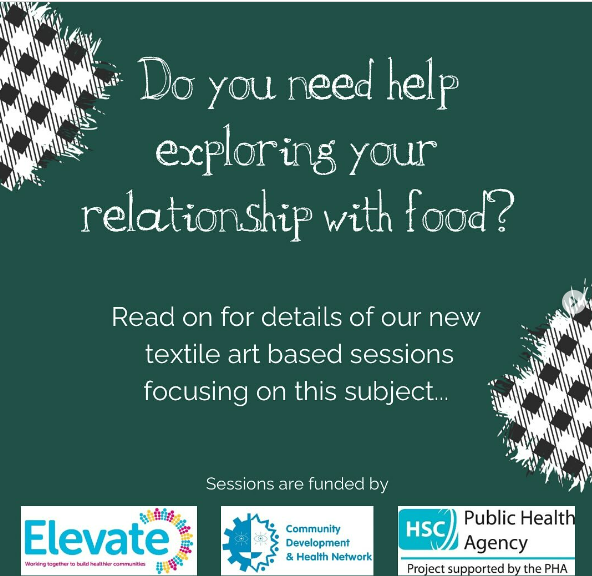
Our project focused on empowering individuals with eating disorders and those from the LGBTQIA+ community, providing them with mental health coaching and engaging, therapeutic activities such as textile-based crafts. The goal was to address the social determinants of health by fostering skill development, promoting community engagement, and encouraging collective action, creating a foundation for empowerment and support that reduced isolation and built stronger, more resilient communities.
Empowering Through Skill Development
A core aim was to teach participants new skills to serve as both therapeutic outlets and confidence boosters. Over six weeks, participants learned textile crafts like knitting and crochet. These activities offered a meditative, calming experience, allowing participants, especially those with eating disorders, to take control of their well-being. The sense of accomplishment and creative expression helped them reconnect with themselves and their surroundings.
Community Building and Engagement
The project created a safe, inclusive space where participants could connect and share experiences. This was especially vital for the LGBTQIA+ group, who often face social isolation and stigma. Group activities and discussions facilitated by a mental health coach allowed participants to open up and build meaningful relationships. For many, this was their first safe space to meet others and discuss sensitive issues like gender identity and imposter syndrome without fear of rejection. A WhatsApp group was created to help them stay in touch and continue socializing after the program ended.
Collective Action for Mental Health
Group dynamics encouraged collective action, where participants supported each other, shared advice, and learned coping strategies. In the eating disorder group, participants discussed the connection between food, emotions, and behaviour, exploring how societal pressures often led to unhealthy eating habits. Group discussions allowed them to reframe their responses to triggers and support one another in managing their eating habits. The process of sharing personal challenges in a non-judgmental space empowered individuals and improved their mental health.
Reflective Practice and Continuous Improvement
The use of a Reflective Practice Tool ensured the project met community development principles. Feedback from participants highlighted the therapeutic benefits of the craft sessions and the safe space for honest conversations. One participant from the LGBTQIA+ group reported that the project helped them gain clarity about their identity and approach challenges with greater confidence.
Broader Community Benefits
While the project targeted specific participants, the impact extended to their families and friends, who noticed improvements in mental health and well-being. Many participants shared their new skills with loved ones, creating a ripple effect of empowerment. The project also strengthened partnerships with other community services, such as Innate Training, enhancing the ability to support marginalized groups.
Long-Term Impact and Future Directions
This initiative demonstrated the need for continued support for marginalised communities, particularly LGBTQIA+ individuals and those with eating disorders. Moving forward, we plan to expand services using the lessons learned from this project. By providing safe spaces for connection and healing, we are confident that the empowerment and community support fostered will continue to benefit individuals and the broader community for years to come.
Top of Form
Bottom of Form